
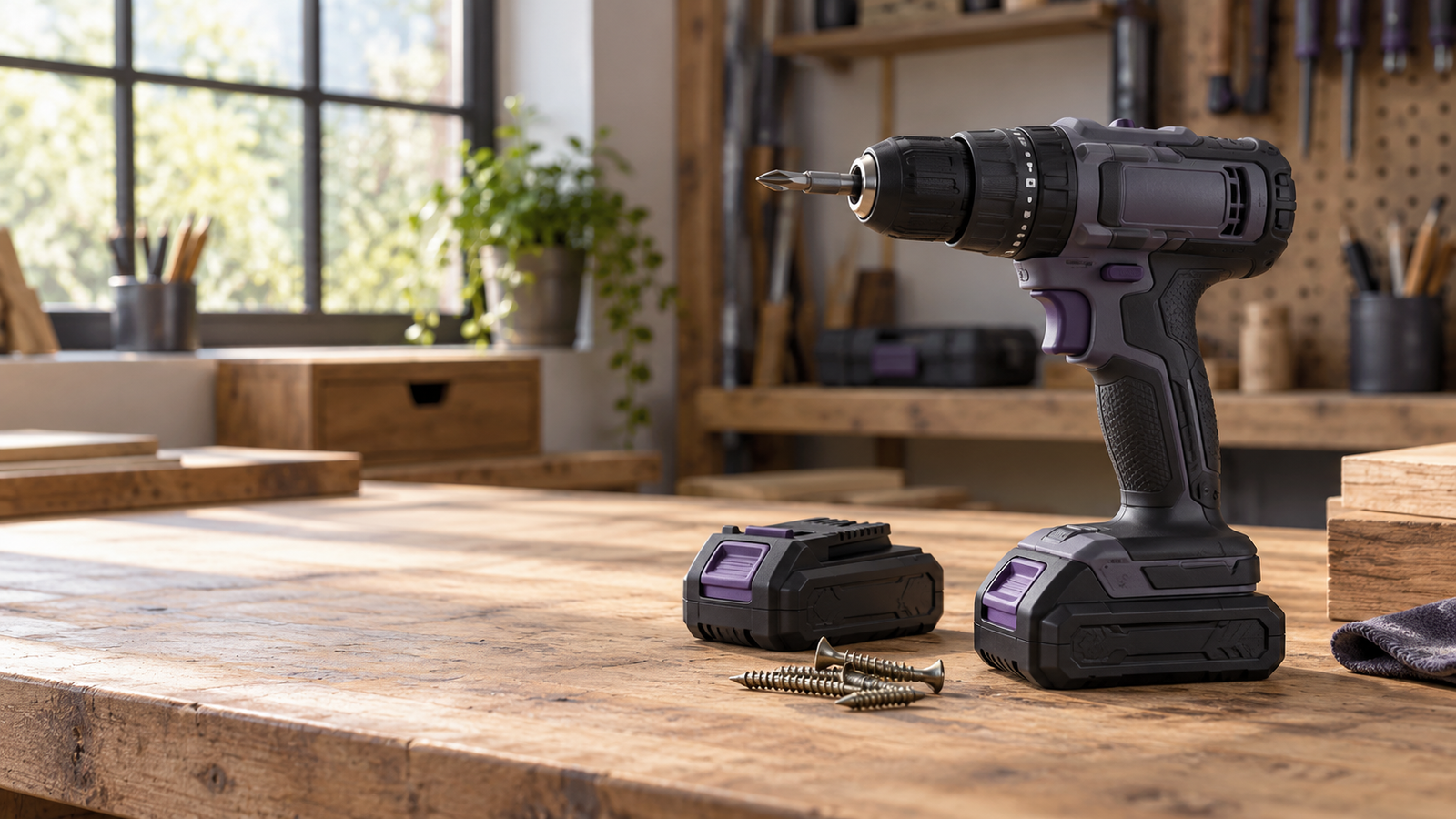
How to Choose a Cordless Drill in Canada: A Homeowner’s Buying Guide
A cordless drill is one of the most useful tools in a home workshop, but the right choice depends on the work. Hanging shelves, assembling furniture, drilling into lumber, and making repeated large holes place different demands on a tool. A higher voltage label or a larger torque number alone does not tell you which drill is the better buy.
Editorial note: This is a research-based buying guide, not a hands-on product test. It does not rank specific drills. Check the exact Canadian model, kit contents, seller, warranty and return terms before buying; prices and stock can change.
Choose the tool type for your jobs
- Furniture, shelves and pilot holes: A drill/driver is usually the versatile starting point. Look for a clutch, variable-speed trigger and two-speed gearbox.
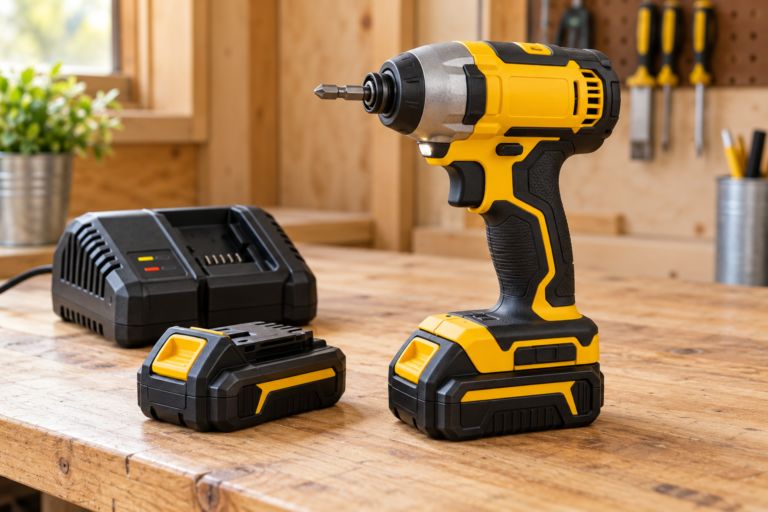
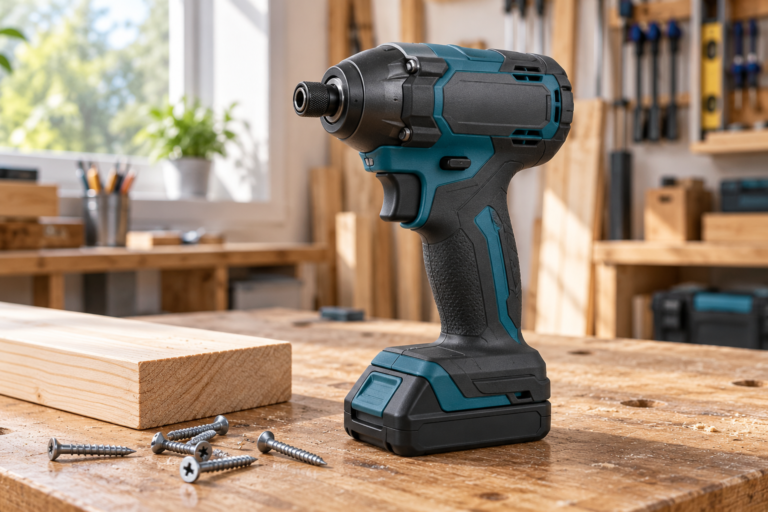
- Frequent long screws: Consider a drill/driver plus an impact driver if you will use both. An impact driver is designed for driving fasteners; it does not replace a drill’s adjustable chuck for ordinary drilling.
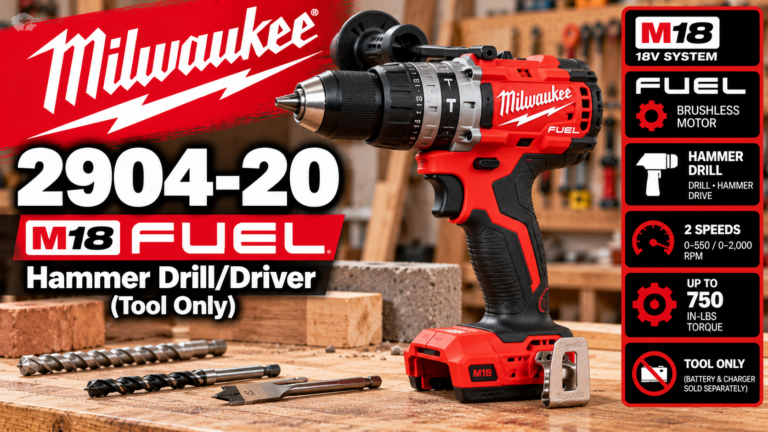
- Occasional holes in brick or block: A hammer drill/driver with the correct masonry bit may fit. For repeated concrete drilling or larger holes, compare a rotary hammer instead.
- Overhead or tight-space work: Prioritize compact size and weight with the battery attached. Those matter more than a headline torque figure when working above shoulder height or inside cabinets.
A hammer drill’s hammering action is intended for masonry drilling. It is not a reason to buy a heavier tool if your projects are mostly wood, metal and screws. Follow the manual for the tool, bit and material.
12V, 18V or 20V MAX?
A 12V platform can suit light repairs, cabinetry and smaller fasteners, especially when low weight matters. An 18V-class platform may make more sense for larger bits, longer work sessions and a wider range of tools. The exact drill and battery matter more than the label by itself.
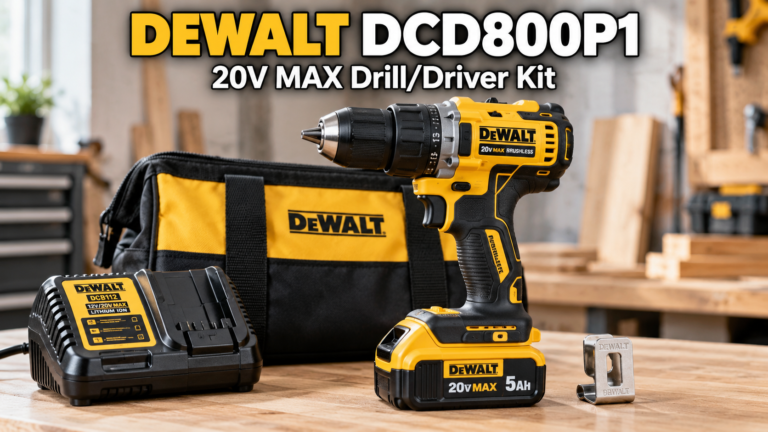
Voltage labels are not always named the same way. DEWALT explains that its 20V MAX label refers to maximum initial battery voltage measured without a workload; nominal voltage is 18V. That is an explanation of DEWALT’s label, not a universal performance comparison between every 18V and 20V product. See the manufacturer’s 20V MAX explanation.
Compare ergonomics, job-specific performance and kit contents. Do not assume that a 20V MAX tool is automatically stronger than every 18V tool.
Compare the complete kit cost
A low tool-only price can be misleading if you still need a battery and charger. Compare the total cost of the exact drill model, compatible batteries, charger, case or bag, shipping, taxes and the retailer’s return terms. If you already own batteries in a supported platform, a tool-only purchase may reduce the total; check the manufacturer’s compatibility information rather than relying on a similar-looking battery.
Canadian listings can package different batteries and accessories under similar product names. For example, this Home Depot Canada Makita kit listing identifies its included batteries, charger and bag. Treat it as an example of why the full model number and kit contents matter, not as a current price recommendation.
What to check on a product page
- Function: Choose drill/driver or hammer-drill mode only if your work needs it.
- Chuck and controls: Check the manual, chuck size, speed ranges and clutch settings against the bits and fasteners you use.
- Motor and workload: Brushless models are often positioned as premium options; compare the price difference with your workload and platform plans.
- Weight with battery: Tool-only weight and kit weight are not the same. Check the manufacturer’s stated configuration.
- Included batteries: Compare the exact battery model and amp-hour rating, not just the number of batteries.
- Canadian support: Verify the warranty for the exact model and seller. Imported versions can have different support or kit contents.
A practical decision rule
If you mainly assemble furniture and hang household items, prioritize a light drill/driver and a manageable kit. If you already own a compatible battery platform, compare a bare-tool price with the complete kit. If you expect repeated fastening or occasional masonry work, compare a two-tool combo or hammer-drill kit against the jobs you actually have; do not buy a larger kit only because it is discounted.
Before buying, confirm the model number, battery platform, accessories, Canadian seller, warranty and return terms. For cold-weather storage or charging, follow the instructions for the specific tool and battery pack; temperature limits are model-specific.
The takeaway
Buy for the work you do, then compare the full kit cost and battery platform. A drill that feels comfortable, includes the right battery and comes with clear Canadian support is more useful than a higher number on a box.
Related guide: compare what the 18V and 20V MAX labels mean in our 18V vs. 20V MAX tools guide.
Explore the Power Tools Canada guide hub for more tool-buying resources.
9 Comments